Empowering Cancer Care: Your Guide to Awareness, Education, and Survivorship
Navigating the maze of cancer care can feel daunting, but equipped with knowledge and insights, the journey becomes less intimidating. Cancer awareness and education are crucial tools that empower patients, caregivers, and loved ones to take control of their health. If you're feeling overwhelmed, remember that you're not alone. As Dr. Susan Love once said, "Knowledge is power, particularly when it comes to our health." This blog will provide essential insights into oncology—the branch of medicine devoted to the diagnosis, treatment, and prevention of tumors—that can help you and your loved ones navigate this challenging terrain.
Awareness is the first step on the road to wellness. For many, understanding cancer statistics and recognizing the importance of early detection can save lives. Did you know that screenings can reduce the risk of advanced stage tumors? Engaging with health awareness initiatives and participating in cancer awareness campaigns can aid in spreading essential information, ultimately contributing to a more informed community. Investing time in cancer education elevates not only individual knowledge but also fosters collective understanding of what to expect during tests, treatments, and survivorship.
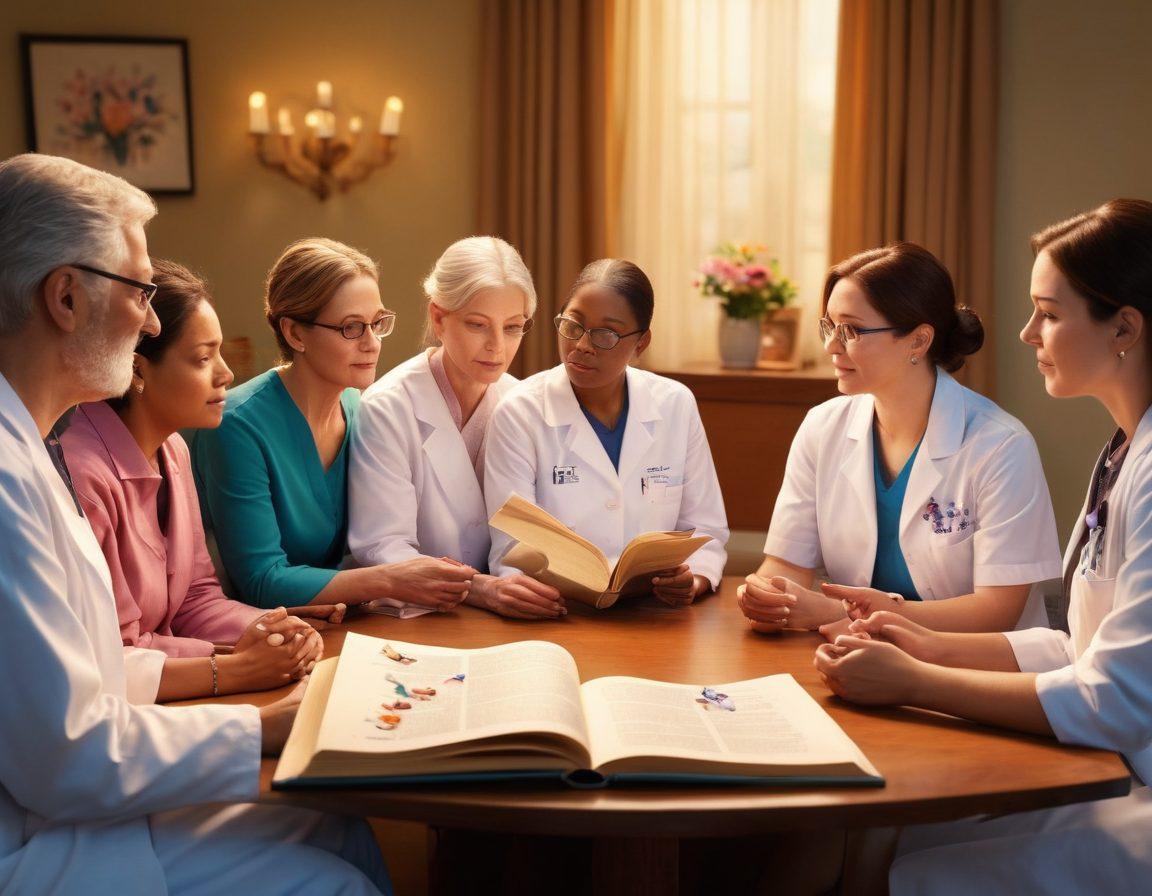
As you delve into the multifaceted world of cancer care, becoming familiar with various cancer therapies can be instrumental. Whether it’s chemotherapy, radiation therapy, or immunotherapy, each treatment pathway offers something different. Alas, choosing the right option often requires discussions with oncologists who specialize in patient advocacy. They are your allies, equipped to guide you through clinical trials and current cancer guidelines that lead to the best outcomes. Do you have questions about which therapy might be right for you? Gather them along the way and remember that no question is too small.
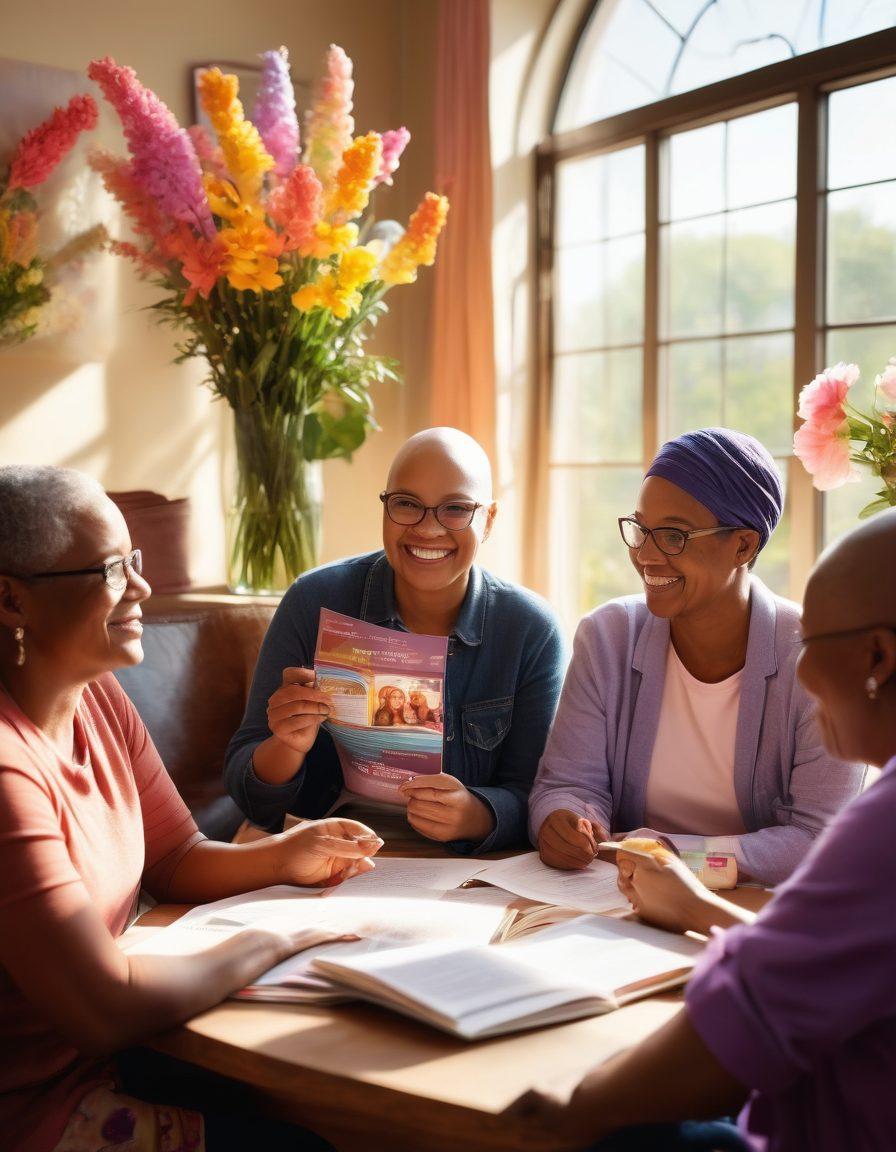
Survivorship is a testament to resilience, but it is also a comprehensive phase that involves transitioning from active treatment to embracing a new normal. It's vital to consider lifestyle changes and holistic health approaches that can enhance your quality of life following treatment. From support groups to palliative care, connecting with others who share your experiences is invaluable. Have you ever thought about how your journey can inspire someone else? Your stories have the potential to spark hope and provide insights to those navigating similar challenges, creating a ripple effect of positivity.
Finally, remember that cancer education doesn't end at diagnosis or treatment completion. A patient journal can be a powerful tool for reflection and growth. Documenting your experiences helps in understanding your journey and can be a source of wisdom for others entering the world of oncology. Staying engaged with patient resources and exploring ongoing education opportunities not only reinforces your wellbeing but also extends your impact on health awareness. Embrace this journey and realize that your voice can enrich the lives of others while transforming your own.
From Diagnosis to Thriving: Strategies for Effective Cancer Care and Survivorship
The journey from diagnosis to thriving is one that demands not only strength but a wealth of knowledge and resources. When faced with a cancer diagnosis, fear can cloud your judgment and overwhelm your emotions. However, transforming that fear into actionable steps is essential for effective cancer care and survivorship. Imagine feeling empowered, informed, and ready to take charge of your health. In this blog, we will explore strategies that will not only guide you through the complexities of oncology but also inspire resilience and hope. After all, as the saying goes, 'Your current situation is not your final destination.'
When it comes to cancer care, early detection is key. Have you ever thought about how vital preventive healthcare is? Statistics show that timely screening can significantly increase survival rates; this is the power of cancer education. By understanding the signs and symptoms of tumors specific to your health situation, you can advocate for yourself and ensure you’re receiving necessary screenings. This proactive approach lays the groundwork for establishing effective cancer therapies, whether it involves chemotherapy, radiation therapy, or even the newer immunotherapy options that have dramatically changed the landscape of the disease. Heeding cancer guidelines and educating oneself through reputable cancer journals can also enable discussions with healthcare providers, ultimately enhancing your care.
Survivorship is not merely about surviving cancer; it's about thriving despite it. Imagine embarking on a path not just defined by treatment but enriched with lifestyle changes that promote wellness. Creating a holistic health plan can be essential, including physical activity, nutrition, and mental health support. Have you considered joining support groups or clinical trials? Engaging with peers who share similar experiences can provide emotional sustenance and practical advice. A robust support network can uplift your spirit and foster resilience, reminding you that you are not alone on this journey.
Navigating the world of cancer care can sometimes feel like being on a rollercoaster ride—full of ups and downs, exhilarating moments, and times of sheer uncertainty. It's important to remain informed about patient resources available to you, including palliative care options focused on maintaining quality of life throughout and after treatment. This can help you cope with the side effects of your treatments and improve your overall experience. Whether you reach out to patient advocacy groups or dive into dedicated cancer awareness campaigns, having informed guidance can significantly impact your treatment outcomes and emotional health.
As you move from diagnosis to survivorship, remember to embrace every small victory along the way. Every day is a chance to reclaim your power, advocate for your health, and uplift those around you who are fighting their own battles with cancer. So, take a moment; reflect on your journey, educate yourself through reliable resources, and foster a community of support. After all, thriving is not just about living but about living well! What steps are you taking today to empower yourself on this remarkable journey?
Empowering Choices: Understanding Cancer Therapies and Patient Advocacy for Better Health
In the heart of the battle against cancer, understanding your options is not just a strategy; it’s a form of empowerment. Have you ever paused to reflect on how critical it is to make informed choices regarding cancer therapies? With advancements in oncology and a growing pool of patient resources, patients and their families are no longer navigating the turbulent waters of a cancer diagnosis alone. From understanding tumor types to exploring the latest cancer treatment options, empowering your choices can positively impact not just the efficacy of the treatments but also your overall quality of life.
Let’s delve into cancer therapies, the cornerstone of informed decisions. Cancer care has evolved from traditional methods like chemotherapy and radiation therapy to include innovative approaches such as immunotherapy. Each therapy comes with its unique set of benefits and side effects. Did you know that the latest cancer statistics reveal a rising success rate in immunotherapy? This wave of support for innovative treatments emphasizes the importance of cancer education. By being aware of these advances, you can discuss potential options with your healthcare team and play an active role in your treatment path.
But with knowledge comes responsibility. Patient advocacy can dramatically influence the course of your cancer journey. Imagine being in a support group where voices unite with a shared understanding of the ups and downs of cancer survivorship. You become part of a community that not only shares resources and emotional support but also cultivates a collective awareness of palliative care and preventive healthcare measures. Don’t you think having a supportive circle could enhance your recovery?
What about early detection and screening? These are absolutely crucial in the world of oncology. Engaging in routine health awareness initiatives and participating in cancer awareness campaigns can significantly increase your chance of detecting any health issues before they escalate. It prompts one to ask: Are you proactive with your health? It’s time to cultivate a lifestyle that embodies wellness and prioritizes regular check-ups, which can serve as your first line of defense against various types of cancer.
So how do we bring all this knowledge together to improve cancer care and survivorship? Through cancer journals, individuals can document their journeys, compile their knowledge, and even contribute to the broader conversation around cancer therapies. Understanding how lifestyle changes and holistic health approaches—like nutrition and mental well-being—play into your healing process is invaluable. Remember, your health is multifaceted, and by integrating these insights into your life, you’re enabling yourself and possibly influencing others as well. Let’s embrace patient advocacy and champion informed choices, because every step taken toward understanding is a step toward better health.